








Insurance Knowledge Made Simple

PLAN. LEARN. UNDERSTAND.

What Influences Costs and Decisions

Severe Weather

Weather Impact

Population Density

Legal Framework

Market Innovation

Flexible Options

Policy Review

Explore Our Content

  • A Simple Guide to Understanding Your Homeowners’ Insurance

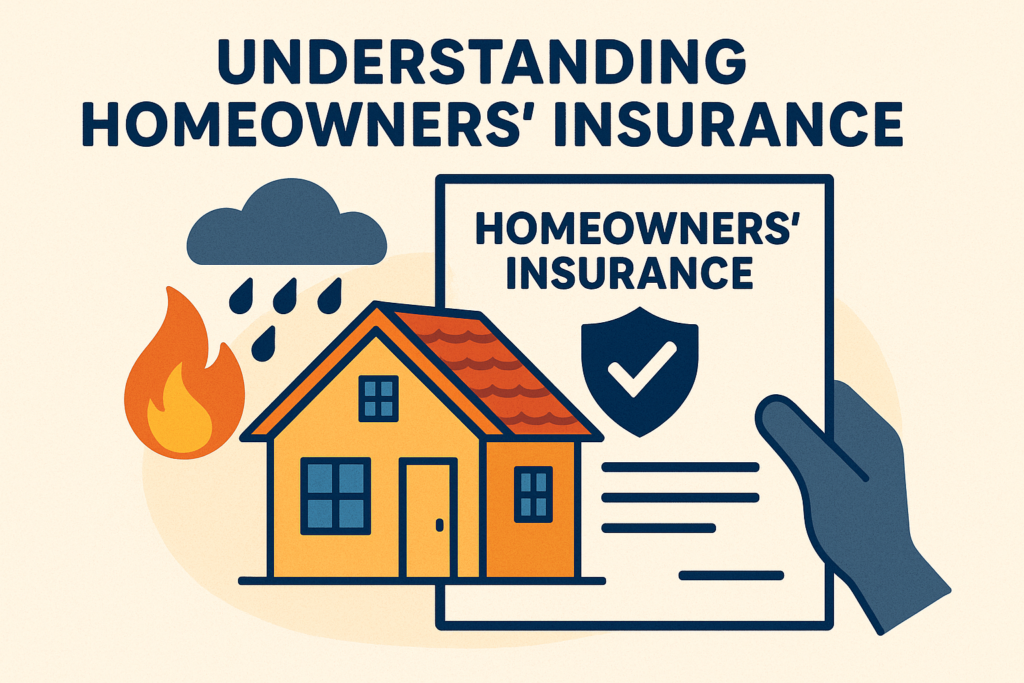
    Homeowners’ insurance can seem complicated, especially if you have never had a policy before. However, knowing the basics can save you time, money, and stress in the future. In this simple guide, you will learn what homeowners’ insurance is, how it protects you, and how to choose the best policy for your home. Many people feel overwhelmed by insurance terms, but with clear explanations and practical advice, you can feel confident about your choices. Understanding your coverage options and the steps for filing a claim will help you prepare for the unexpected. By the end of this article, you will have a solid foundation to make wise decisions about protecting your home. Let’s begin with the basics and work through each important topic together.

    What Is Homeowners’ Insurance and Why Do You Need It

    Homeowners’ insurance is a contract between you and an insurance company that helps protect your home and belongings. If your house is damaged by events like fire, theft, or storms, your insurance helps cover the cost of repairs or replacements. Even if you never expect anything bad to happen, having coverage gives you peace of mind. Many mortgage lenders require homeowners’ insurance because it protects their investment as well as yours. Without insurance, you might face huge bills if something goes wrong.

    Additionally, homeowners’ insurance does more than just repair your house. It can help cover personal items like furniture, electronics, and clothing if they are damaged or stolen. Liability protection is also included, which helps if someone is injured on your property. If you accidentally cause damage to someone else’s property, your policy can often help with those costs too. For many families, these extra protections make homeowners’ insurance even more valuable.

    Since every home faces risks, insurance is important for everyone. Although some people may think they can skip coverage to save money, the long-term risks are much higher. If disaster strikes, rebuilding without insurance can be nearly impossible for most families. Also, knowing you have a safety net lets you focus on enjoying your home instead of worrying about what could go wrong. For these reasons, homeowners’ insurance is not just a smart choice but often a necessary one.

    Key Components and Coverage Options Explained Simply

    Every homeowner’s insurance policy includes a few main parts. First, dwelling coverage protects the structure of your house itself, including walls, roof, and built-in appliances. If a fire or storm damages your home, dwelling coverage helps with repair or rebuilding costs. Second, personal property coverage handles your belongings inside the house, such as clothes, furniture, and electronics. If a covered event ruins or steals your things, this part of your policy pays for replacements.

    Third, liability protection is a vital part of every policy. If someone is hurt in your home or you accidentally damage another person’s property, liability coverage helps pay medical bills or legal fees. For example, if a guest trips on your stairs, your policy can cover their medical care. Additionally, loss of use coverage assists you if your home becomes unlivable due to damage. While you stay elsewhere during repairs, this coverage can help pay for hotel and meal costs.

    You can also add extra features to your policy. Many companies offer endorsements for things like expensive jewelry, art, or home businesses that need extra coverage. Some policies include protection against identity theft or water backup, depending on what you need. Since every family is different, reviewing your options carefully helps you decide what to include. By understanding these key components, you can tailor your policy to fit your life and budget.

    How to Choose the Right Policy for Your Home

    Choosing the right homeowners’ insurance policy starts with knowing what you own and what you need to protect. First, make a list of your home’s features and the value of your belongings. You can use this information to estimate how much coverage you need. Next, compare different insurance companies and the types of policies they offer. Many providers have online calculators that can help you understand your needs and costs.

    As you compare policies, pay close attention to coverage limits and deductibles. The coverage limit is the maximum amount the company will pay for a claim, so aim for enough to fully rebuild your home if needed. The deductible is the amount you must pay out of pocket before your insurance kicks in, so a higher deductible usually means a lower monthly payment. However, make sure you can afford that deductible in case you ever need to file a claim. Reading customer reviews and seeking advice from friends can also help you find a reliable insurance provider.

    Additionally, it’s important to review your policy at least once a year. Life changes, like remodeling your home or buying expensive electronics, can affect your coverage needs. When you make updates or big purchases, contact your insurance agent to adjust your policy. Keeping your coverage current ensures you’re always protected against new risks. By following these steps, you can feel confident that you have the right policy for your home.

    Common Exclusions and Important Limitations to Know

    While homeowners’ insurance protects you from many risks, every policy has exclusions and limitations. For example, most policies do not cover damage from floods or earthquakes. If you live in an area with these risks, you need to buy separate coverage. Mold, pests, and general wear and tear are also not included, so regular home maintenance remains your responsibility. Reading your policy carefully helps you understand exactly what is covered and what is not.

    Additionally, some items in your home may have limited coverage. Expensive jewelry, collectibles, or artwork often have payout caps unless you specifically add extra protection for them. If you own high-value items, ask your agent about scheduling those possessions for more complete coverage. Many policies set limits on cash, business equipment, or certain electronics as well. Knowing these limits ahead of time can save you frustration if you ever need to file a claim.

    Moreover, most policies include important conditions and requirements. For example, you might need to take reasonable steps to prevent further damage after a loss. If you delay repairs or ignore maintenance, your claim could be denied. Keeping proper records and communicating with your insurance company helps avoid misunderstandings. By learning about exclusions and limitations, you can avoid surprises and make sure you have the protection you expect.

    Steps to Filing a Claim and Getting the Most Support

    If you need to file a homeowners’ insurance claim, start by contacting your insurance company as soon as possible. Provide clear details about what happened and take photos or videos of any damage for your records. Most companies have online claim forms or customer service representatives who can guide you through the process. The faster you report the loss, the quicker you can start repairs or replacements.

    After you file your claim, an adjuster will likely visit your home to assess the damage. Cooperate fully with the adjuster and provide any documents they request. Keep receipts for repairs, temporary housing, or items you replace, as these can help support your claim. Regularly follow up with your insurance company to check the status and address any questions they may have. Good communication is key to a smooth claims process.

    Finally, review your settlement carefully before accepting any payment. Make sure all damage and losses are included, and ask your agent to explain anything you do not understand. If you feel your claim was not handled fairly, you can appeal or seek help from your state insurance department. Knowing your rights and staying organized can help you get the support you need. By following these steps, you can make the claims process less stressful and ensure you receive the benefits your policy promises.

    Conclusion

    Homeowners’ insurance is your shield against unexpected losses and disasters. By learning how a policy works, you gain the power to protect your home and family with confidence. Make it a habit to read your policy, ask questions, and update your insurance as your needs change. Although the details can seem overwhelming at first, taking small steps to understand coverage makes a big difference in the long run. In addition, knowing about key exclusions and limitations prepares you for potential gaps in protection. When you pick a policy, focus on what matters most to your household and be honest about your budget and risk tolerance. If you ever need to file a claim, organization and prompt action will help you get the support you deserve.  .

  • Understanding Homeowners Insurance Quotes

    Understanding homeowners’ insurance quotes might seem complicated at first. Many people feel overwhelmed when they see all the numbers and details in an insurance estimate. However, learning what goes into a quote can help you make smarter decisions. Each policy looks different, so it is important to know what you are paying for. With a little research and careful comparison, you can find the right coverage for your home. In this article, you will discover which factors influence your quote, how to compare estimates, and ways to save money. By the end, you will have the knowledge you need to choose confidently.

    What Factors Influence Homeowners Insurance Quotes?

    Several important factors will impact the price you receive for your homeowners’ insurance. Your home’s location plays a major role, since homes in areas with high crime or frequent natural disasters usually cost more to insure. Insurers also consider the age and condition of your home, because older homes or those needing repairs may present higher risks. The size and value of your property further affect the price, with larger or more expensive homes often costing more to protect.

    Insurance companies also look closely at your personal history when determining your quote. If you have made many claims in the past, you might pay higher premiums. Having a good credit score can work in your favor, as many insurers use credit information to assess risk. Additionally, the type of coverage you choose matters; selecting a higher deductible or lower coverage limits can reduce your premium, while opting for add-ons or higher coverage will increase your costs.

    It is important to remember that local building costs and neighborhood features may influence your quote as well. For example, if it would be expensive to rebuild your home in the event of a loss, your insurance price will go up. Some companies also consider whether you have safety features like burglar alarms or fire sprinklers installed. Knowing what affects your quote can help you focus on the most important details when shopping for insurance.

    How to Compare Homeowners Insurance Estimates Easily

    To find the best homeowners’ insurance, you should always compare several quotes. Start by collecting estimates from at least three reputable companies so you can see how prices and coverage vary. Carefully review each policy’s details, since the lowest price does not always mean the best value. Make sure to check the amount of coverage offered for your home and possessions, as well as any included liability protection.

    When reviewing quotes, pay attention to the deductibles required by each insurer. A higher deductible usually means a lower monthly cost, but you will need to pay more out of pocket if you file a claim. Consider whether you can afford the deductible before making a decision. Be sure to look at any exclusions or limitations in each policy, because some insurers may not cover certain types of damage or specific valuables.

    It often helps to use online tools or speak with an independent insurance agent. Many websites let you enter basic information and receive several quotes quickly. An independent agent can explain differences between policies and help you make a fair comparison. By following these steps, you can feel confident that you are making the best choice for your needs and budget.

    Tips for Saving Money on Your Homeowners Insurance

    You can take several steps to lower your homeowners’ insurance costs without sacrificing coverage. First, consider bundling your home policy with your auto or other insurance, since many companies offer discounts for multiple policies. Installing safety features such as smoke detectors, security systems, or deadbolt locks can also lead to savings. Insurers often reward homeowners who take steps to reduce risk.

    Next, review your policy annually to ensure your coverage still fits your situation. If your home’s value or your belongings have changed, you might be able to adjust your coverage and save money. Raising your deductible is another way to lower your monthly premium, as long as you are comfortable paying more out of pocket if you need to file a claim. Always ask your insurer about available discounts, since some offer price breaks for loyalty, claims-free histories, or even being a non-smoker.

    Do not forget to maintain your home and keep it in good condition. Insurers prefer homes that are well cared for, and you may avoid costly repairs that could lead to claims. By staying proactive and reviewing your options regularly, you can keep your insurance costs manageable. Making small improvements and being diligent about your policy can add up to significant savings over time.

    Finding the right homeowners’ insurance quote requires a little research and careful comparison. Although the process can seem intimidating, understanding what affects your quote makes it much easier to shop for coverage. By considering your home’s location, your own history, and the features of various policies, you can select the best insurance for your needs. Comparing estimates from multiple companies helps you identify both the best price and the most complete protection. Taking advantage of discounts and making small changes to your home can lower your overall costs. Remember to review your insurance every year, as your situation can change. An informed approach avoids surprises and helps you stay protected. Homeowners insurance offers peace of mind, so it is worth taking the time to get it right. With these tips, you will be better prepared to find a policy that keeps both your home and your budget secure.

  • Understanding Why Car Insurance Costs Are Higher in Florida

    Car insurance costs can vary greatly depending on where you live. Many drivers wonder why premiums are noticeably higher in Florida compared to other states, such as Georgia. By examining the unique factors that drive up insurance rates in Florida, you can gain a better understanding of what affects the price you pay. In this article, we will examine some of the main reasons for the difference in car insurance costs between Florida and Georgia. You will also learn how weather, population, and local laws all play essential roles in shaping the environment. By the end, you will know precisely why Florida’s rates stand out among its neighbors.

    Exploring the Differences in Car Insurance Rates

    Car insurance rates at https://floridainsurancequotes.net/florida-auto-insurance/ are not set at random. Insurance companies use a variety of factors to determine how much drivers pay in each state. For example, they look at accident statistics, repair costs, and the likelihood of claims being filed. In Florida, several of these factors combine to push rates higher than in neighboring Georgia. Some of the differences come from state-specific issues, while others involve broader regional trends.

    In addition to local driving habits, the overall risk profile of Florida drivers tends to be higher. Insurance companies have noticed that Florida has a higher percentage of uninsured drivers on the road, which increases the likelihood of expensive claims. Because insurance is a business of managing risk, companies must charge more when they expect to pay out more. Compared to Georgia, Florida’s higher rate of accidents and theft also impacts prices.

    Another key difference involves the cost of repairs and medical care. In Florida, both tend to be higher due to the state’s economic conditions and higher cost of living. Insurance companies must factor these expenses into their premiums. Meanwhile, Georgia usually reports lower average costs in these areas, which helps keep its car insurance rates lower.

    How Florida’s Weather Impacts Insurance Costs

    Florida’s weather significantly contributes to increasing car insurance prices. The state frequently experiences hurricanes, tropical storms, and heavy rainfall. These weather events often result in widespread damage to vehicles, leading insurance companies to pay higher claims. When insurers face higher risks from natural disasters, they pass those costs on to consumers through increased premiums.

    Even on sunny days, Florida’s climate can pose challenges. Humidity and heat can accelerate wear and tear on vehicles, leading to increased maintenance issues. Due to the high demand for repairs, costs can rise, and insurance companies must factor in these additional expenses. In contrast, Georgia sees fewer severe weather events, which helps keep insurance rates in check.

    Flooding is another serious concern in Florida. Many cities are built close to sea level, which increases the risk of water damage to cars. Insurance companies often raise rates to cover the frequent flood-related claims made by Florida drivers. When comparing to Georgia, the lower risk of catastrophic weather events means insurance companies do not need to charge as much.

    The Role of Population Density in Premiums

    Population density has a direct impact on car insurance premiums. In Florida, many areas are densely populated, particularly in cities like Miami, Tampa, and Orlando. With more people living and driving in proximity, there are increased chances of accidents, theft, and vandalism. Insurance companies recognize this increased risk, and as a result, they set higher rates for drivers.

    Higher population density also results in increased traffic congestion. Crowded roads lead to more frequent fender benders and collisions, which drive up the number of accident claims. Insurance companies need to cover these costs, so they charge drivers in places like Florida more. In comparison, much of Georgia, especially outside major cities, has a lower population density, resulting in fewer claims and lower costs.

    Urban areas often have higher repair and medical costs as well. Florida’s large cities offer convenience, but they also come with higher prices for everything, including car repairs. Insurers take these higher local costs into account when setting rates. Georgia’s mix of cities and rural areas helps balance out the risk, so average premiums remain lower.

    Legal and Regulatory Factors That Drive Up Prices

    Florida’s legal environment has a significant influence on car insurance costs. The state has a “no-fault” insurance system, which requires every driver to carry personal injury protection (PIP) coverage. This law requires insurance companies to pay for specific injuries, regardless of who caused the accident. The requirement leads to more claims and higher payouts, resulting in higher premiums for everyone.

    Fraud is another issue in Florida that contributes to the rising costs of insurance. The state has a well-documented problem with staged accidents and fraudulent claims. Insurance companies must spend more to investigate and fight these scams, which increases their operating costs. They pass these expenses to consumers in the form of higher premiums.

    Additionally, Florida’s legal system often results in larger settlements and higher legal fees. Lawsuits following car accidents can be costly, especially in states with a high concentration of personal injury lawyers. Insurance companies factor in these potential legal costs when setting their rates. Georgia, on the other hand, does not have the same level of legal risk, which helps keep its insurance prices more affordable.

    Comparing Florida and Georgia: Key Cost Drivers

    When comparing Florida and Georgia, several key factors explain the premium gap. Florida’s challenging weather, high population density, and legal environment all contribute to higher insurance costs. Georgia enjoys milder weather, less dense urban centers, and a more straightforward legal system, which helps keep rates lower. Each of these differences adds up, making insurance in Florida more expensive overall.

    Insurance companies carefully analyze risk in each state. In Florida, they must consider the likelihood of hurricanes, frequent flooding, and a higher rate of insurance fraud. Georgia’s drivers face fewer natural disasters and less fraud, allowing insurers to offer more competitive prices. The cost to repair cars and treat injuries also tends to be higher in Florida, which further drives up premiums.

    Despite being neighboring states, Florida and Georgia have different environments and regulations that significantly impact car insurance rates. Drivers in Florida face increased risks and legal complexities, leading insurance companies to charge higher premiums. Georgia’s simpler regulatory structure and milder climate create a more affordable insurance market. When you look at all these elements together, the reasons for Florida’s higher car insurance costs become clear.

    Conclusion

    Car insurance prices in Florida are higher than in Georgia for several essential reasons. The state’s susceptibility to severe weather events, particularly hurricanes and flooding, creates a higher risk for insurance companies. Higher population density in cities increases the likelihood of accidents and claims, which then drives up costs for everyone. Florida’s unique legal system, with its mandatory personal injury protection and higher rates of fraud, also contributes to the problem. Compared to Georgia, where the weather is milder and the legal environment is less complex, Florida presents more challenges for both insurers and drivers. Insurance companies must factor in all these risks when setting rates, resulting in higher premiums. When you factor in the higher costs for repairs and medical care, the price difference becomes even more apparent. Understanding these key factors can help you make informed decisions about your car insurance. By understanding what drives up rates, you can explore ways to save or select coverage that suits your needs. Ultimately, being aware of the reasons behind Florida’s high insurance costs empowers you to be a more intelligent consumer.